Walk down the candy aisle of almost any market in the world and you will find them: jelly beans, wine gums, fruit jellies, Turkish delight, sour chewy pieces dusted in sugar. What they all share is a manufacturing method that has survived more than a century of automation — starch moulding. The candy is shaped not in metal or silicone, but in dry starch beds that act as thousands of tiny inverted moulds at once. In this guide we break down how a modern starch gummy production line works, stage by stage, what equipment each stage needs, and what to check before investing in one — with real machine photos throughout.
What counts as a “starch gummy”?
Starch-moulded candies are gelatinous or pectin-based sweets that are deposited into powdered starch and left to set. The family is broad:
- Jelly beans and fruit jellies — gelatin or pectin bases with bright, stable colours
- Wine gums and liquorice-style chews — denser, more elastic textures (see our liquorice production line guide for the extruded cousins of these candies)
- Turkish delight and starch jellies — softer bodies, often dusted in icing sugar or coconut
- Sour chews and coated gummies — moulded in starch, then oiled and sanded with acid sugar
The common thread: the recipe is fluid when deposited, then gels in the mould. Starch does the shaping, the drying room does the setting, and the line’s job is to make both happen at consistent speed and hygiene.
Why starch moulding still wins
With silicone moulds everywhere, why do high-volume plants still run starch? Three practical reasons:
- Unlimited shape changes — a starch bed accepts any impression board, so one Mogul line can produce dozens of shapes without buying new mould sets
- Moisture control built in — dry starch draws surface moisture out of the candy, kick-starting the gel set before the piece even reaches the drying room
- Economics at scale — starch is cheap, recyclable within the line, and the trays run continuously for weeks
The trade-off is engineering: starch must be conditioned (dried, cooled and dust-free) or quality collapses. That is why the ancillary machines matter as much as the Mogul itself.
Stage 1: syrup preparation and vacuum cooking
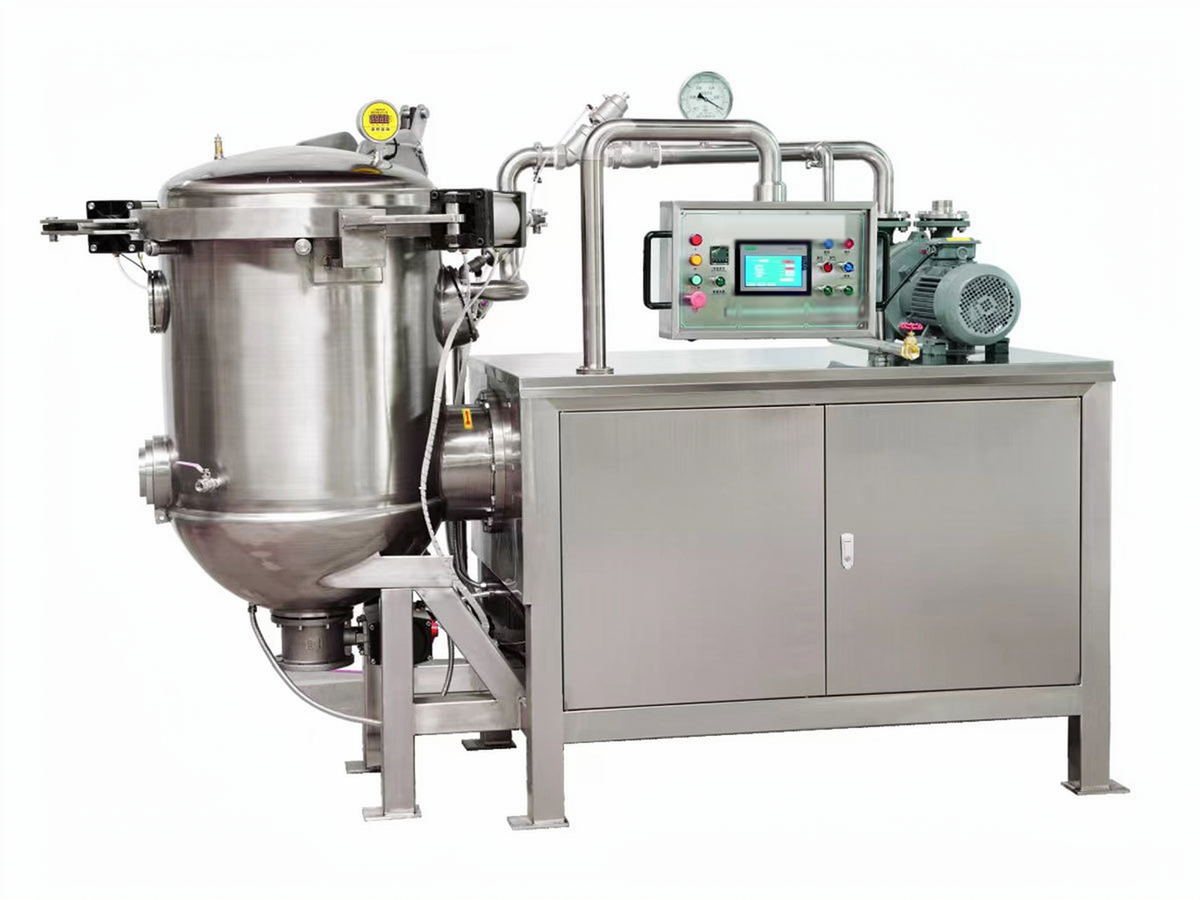
Every starch gummy starts as a dissolved, cooked sugar–glucose–gelling agent syrup. Cooking happens under vacuum so the mass reaches its final solids content at a lower temperature — protecting colour and preventing scorch on the jacket. A compact jacketed batch cooker with PLC control and its own vacuum pump is the standard choice for this stage:
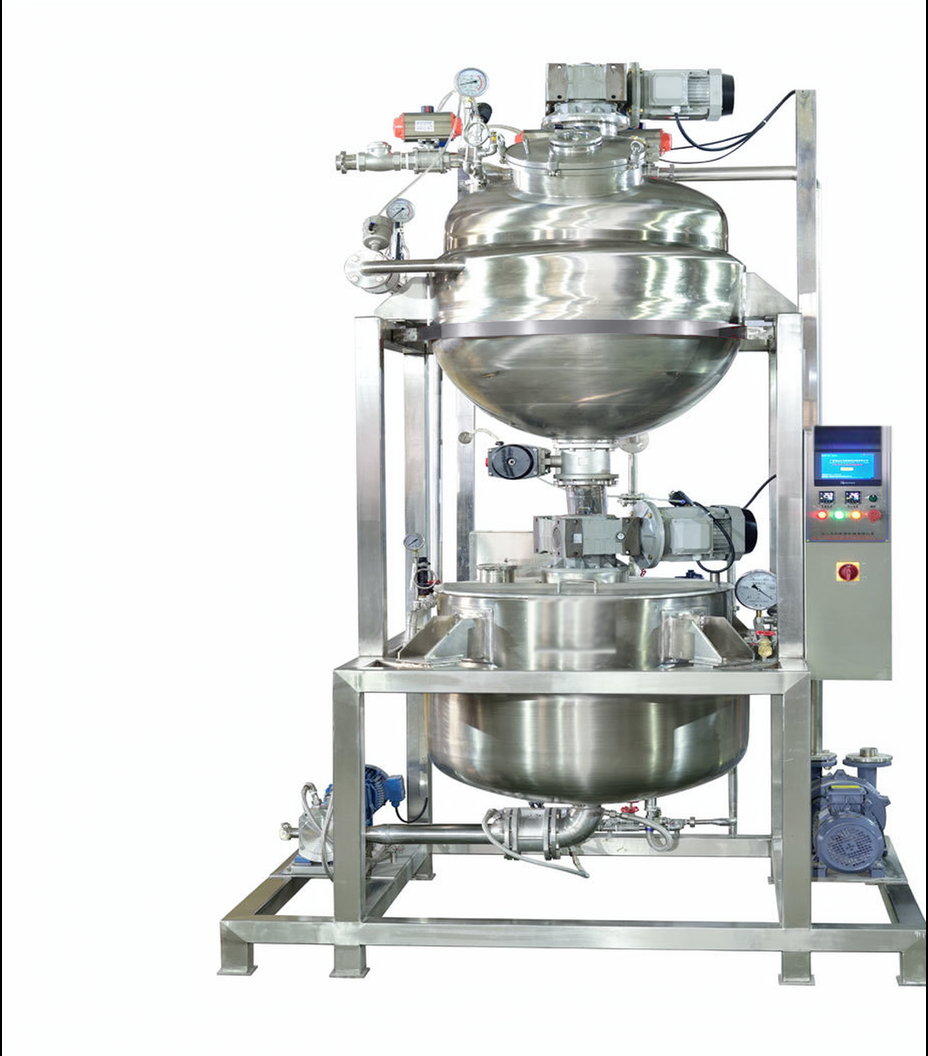
Lines that also produce aerated or milk-candy style masses — nougat-like chews, whipped centres, toffee-type fillings — add a second cooking function on the same platform: a vacuum aeration system with two vessels, where one pot cooks while the other whips and siphons the batch. This is exactly how one machine family covers starch jellies on Monday and milk chews on Friday:
For line-level budgeting of the cooking stage, our vacuum toffee cooker guide explains in depth how scraper stirring and vacuum endpoints are specified.
Stage 2: colour, flavour and acid dosing
After cooking, the syrup is split into batches and dosed with colour, flavour and citric or malic acid. Timing is critical: acid added too hot inverts the sugar and turns the piece brittle; flavour added too early flashes off with the steam. Modern lines dose continuously or in small in-line batches so the depositing hopper never waits — waiting means viscosity drift, and viscosity drift means off-weight pieces.
Stage 3: the Mogul — starch beds and depositing
The heart of the line is the Mogul. Trays filled with conditioned dry starch pass under an impression board that presses hundreds of mould cavities into each bed. The depositor then fills every cavity with the flavoured syrup in a single stroke, and a layer of starch is brushed over the top. Each tray now carries a full sheet of unbonded candies, held perfectly in shape by the starch around them.
Three Mogul parameters decide your daily output: tray width, strokes per minute and cavity count. A mid-size line running 600 mm trays at 12–15 strokes/min easily produces several tonnes per shift — the exact number depends on piece weight, which is why we always size the line backwards from the customer’s target capacity rather than forwards from a brochure number.
Stage 4: drying and curing
Filled trays stack into climate-controlled drying rooms or continuous drying tunnels. Here the remaining free water migrates into the starch and the gelling agent sets the texture — gelatin pieces cure in 24–48 hours, pectin faster, starch-jellied bodies slower. Air temperature, humidity and tray spacing are all controlled variables; a drying room without humidity control is the single most common cause of sticky, sweating finished product we see during commissioning visits.
Stage 5: demoulding, finishing and oiling
Dried trays travel to the demoulding section where vacuum picks and brushes lift the set candies out of the starch. The starch is sieved, re-dried and returned to the bed circuit; the candy pieces pass through oiling drums (to replace the surface moisture the starch removed and prevent sticking) or through sugar-sanding drums for sour varieties. At this point the candy is finished — only packing remains.
Stage 6: counting, feeding and packaging
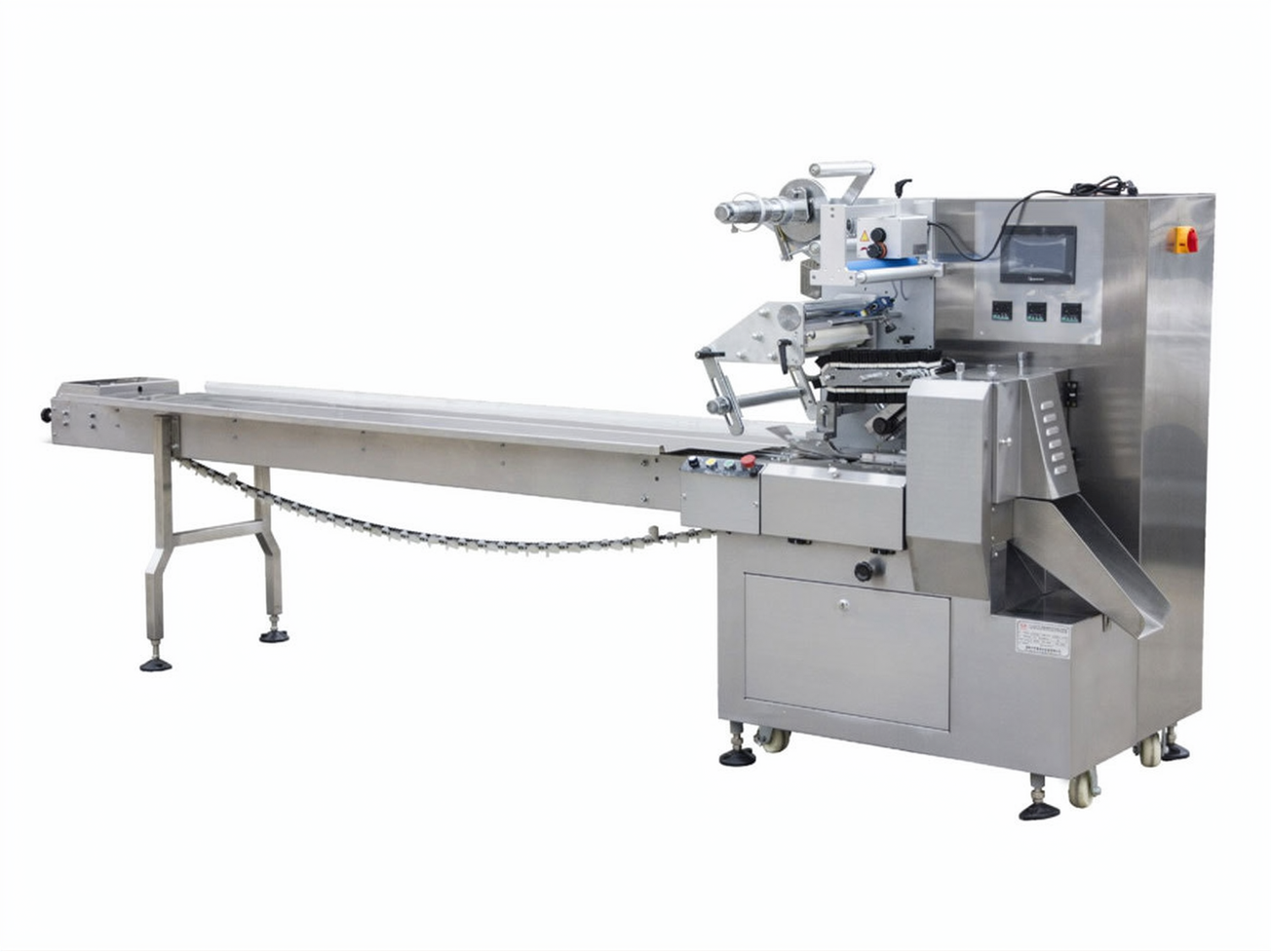
Packaging closes the loop. Oiled or sanded pieces are volumetric-counted or weighed into pillow bags, stick packs or pouches, then cartoned. Match the wrapper speed to the demoulder output with a small buffer conveyor — if the wrapper is the bottleneck, the demoulder stops, the starch circuit stops, and the whole line loses its rhythm.
A complete line at a glance
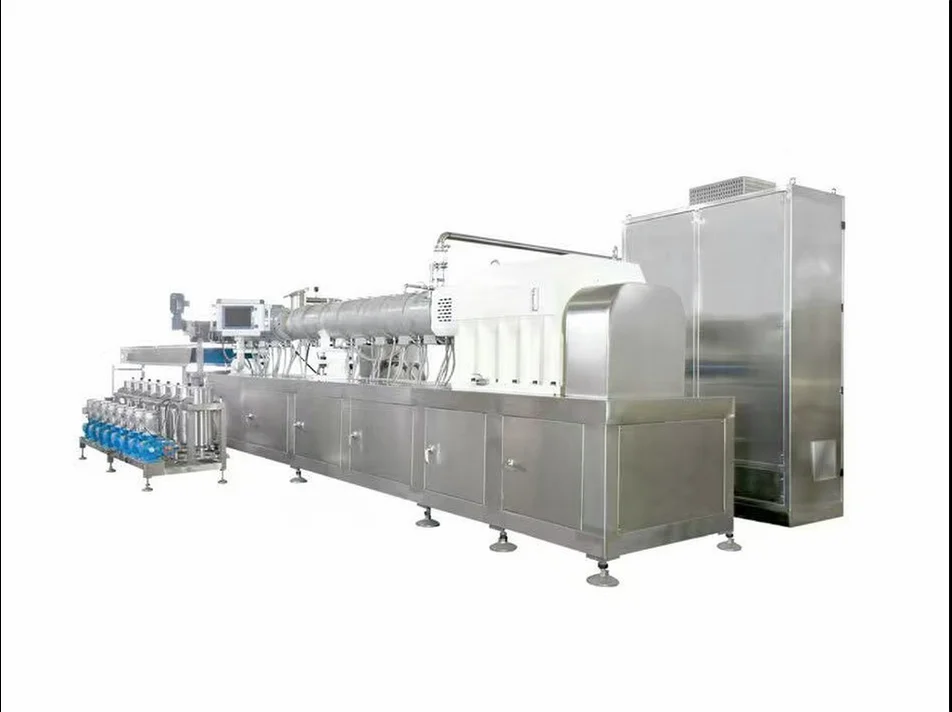
The table below summarises what each section contributes, so you can compare quotes line by line instead of comparing brochures:
| Line section | What it does | Key equipment |
|---|---|---|
| Syrup preparation | Cook sugar–glucose–gelling agent mass to target solids | Vacuum batch cooker / aeration system |
| Dosing | Add colour, flavour and acid at the right temperature window | Dosing tanks and in-line mixers |
| Mogul forming | Press moulds into starch, deposit syrup, cover trays | Mogul with starch conditioning |
| Drying | Set texture, remove free water under controlled climate | Drying rooms or continuous tunnel |
| Finishing | Demould, oil or sugar-sand the pieces | Demoulder, oiling / sanding drums |
| Packaging | Wrap, bag and carton at line speed | Flow wrapper, bagger, cartoner |
Checklist before you buy a starch gummy line
- Start from capacity, not machines. Give the supplier your target tonnes per shift and piece weight, and ask them to size the Mogul and drying capacity around it — that is how we configure every project in our turnkey project process.
- Starch conditioning, explicitly. Ask how the line dries and cools returned starch. Vague answers here predict sticky candy later.
- Recipe range. One line should run gelatin, pectin and starch-jelly recipes with changeover limited to impression boards and dosing settings.
- Drying control. Insist on temperature and humidity instrumentation in the drying rooms, not just heaters.
- Hygiene and access. Open frames under cookers, quick-release piping and accessible depositor hoppers cut cleaning time every single shift.
- Commissioning with your recipes. A line is only proven when it runs your product; our delivered projects in the case studies all closed with on-site recipe trials.
Frequently asked questions
Can one starch line make both gummies and milk chews?
Yes, if the cooking section includes an aeration function. The Mogul shapes both; only the cooking and drying windows change, and recipes on the PLC handle the switch.
How long does starch last before replacement?
Well-conditioned starch circulates for weeks; plants typically top up and partially replace it on a schedule rather than dumping the beds. The sieving and re-drying circuit is what protects the starch’s working life.
Gummies in silicone moulds or starch — which should I choose?
For high volumes and many shapes, starch wins on economics and flexibility. Silicone depositing lines suit short runs and very transparent products. Many plants run both.
What does a complete starch gummy line cost?
It depends on capacity, drying philosophy and packaging level. Our production line cost breakdown walks through the budgeting logic line section by line section.
Get a line configured for your products
Tell us which candies you want to make — jelly beans, wine gums, fruit jellies, Turkish delight or sour chews — and your target capacity. Send us your product list and our engineers will reply within 24 hours with a line layout, utility list and honest capacity numbers. To see how other candy formats fit the same engineering approach, browse our rainbow gummy line guide or the full machinery range.